(I) Product Overview
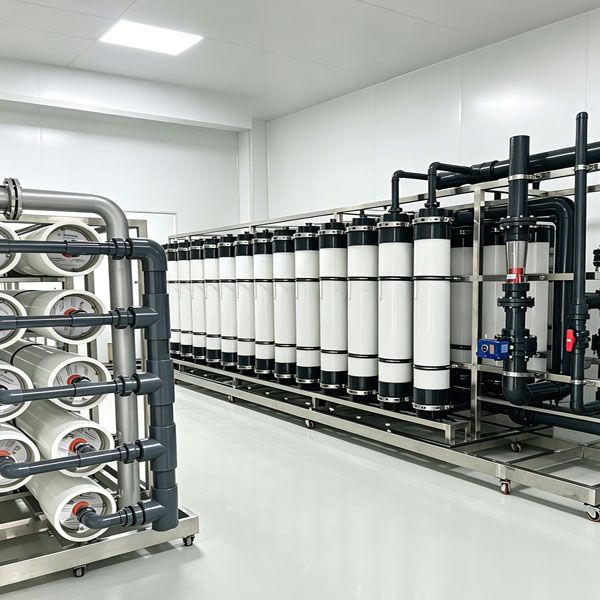
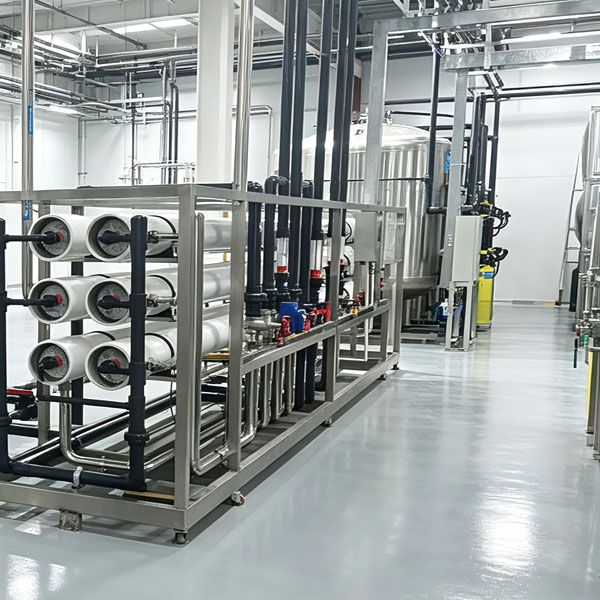
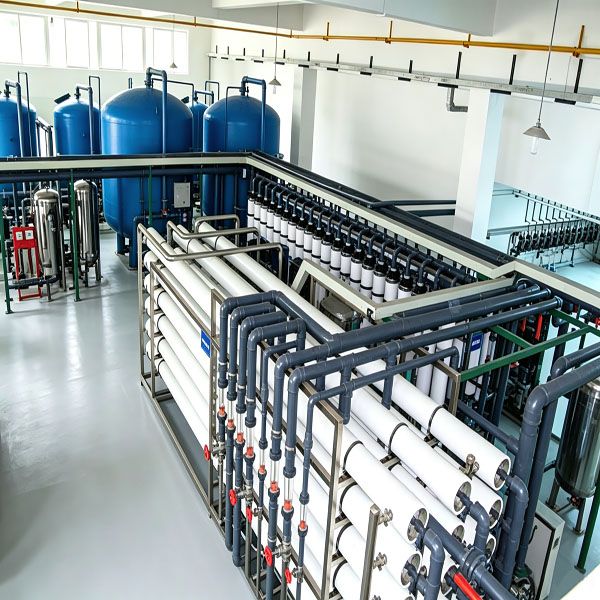
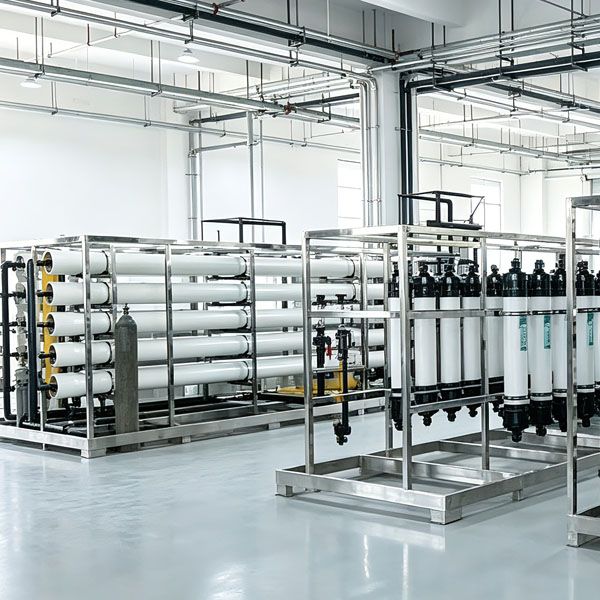
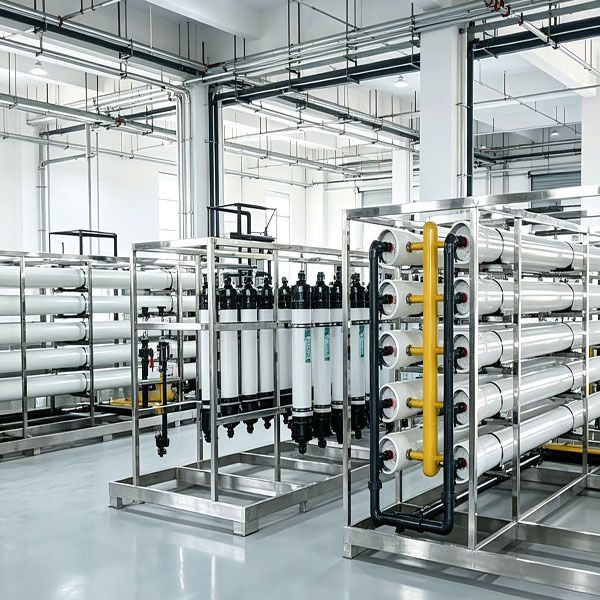
Reclaimed water reuse equipment is a complete set of water treatment equipment that utilizes lightly polluted wastewater such as production wastewater, domestic miscellaneous drainage, cleaning wastewater, and bathing wastewater from the factory area as raw water. Through a combination of physical, biochemical, and membrane separation processes, it removes pollutants such as suspended solids, COD, ammonia nitrogen, oil and grease, chromaticity, and microorganisms from the water. After treatment to meet standards, the water is reused for non-potable applications such as workshop floor flushing, greening irrigation, circulating cooling water makeup, equipment cleaning, and toilet flushing. The effluent quality meets the standards of the "Recycling of Urban Sewage" series, achieving water resource recycling and significantly reducing tap water intake and sewage discharge. It is widely used in factories, industrial parks, hotels, hospitals, office buildings, and municipal residential areas, and is a core water treatment equipment for enterprises to save water, reduce emissions, meet environmental pollution control regulations, and reduce water costs. The mainstream processes are divided into three categories: MBR membrane process, RO membrane reuse process, and coagulation sedimentation filtration process. Industrial high reuse requirements often adopt a pretreatment + ultrafiltration + reverse osmosis combined reclaimed water reuse system.
(II) Core Features of the Equipment
1. Water resource recycling significantly saves water costs. Wastewater is regenerated and reused on-site, reducing tap water consumption by 40% to 70%. This also reduces sewage charges and wastewater treatment fees, yielding significant economic benefits over the long term.
2. Modular integration, small footprint, easy installation. Integrated box/skid-mounted structure, highly integrated equipment, no need for large-area civil construction of the tank body, can be placed indoors or outdoors, flexible for relocation and expansion.
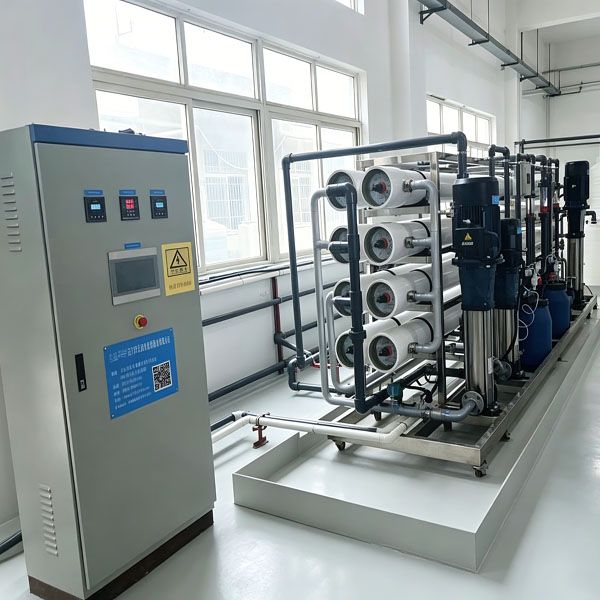
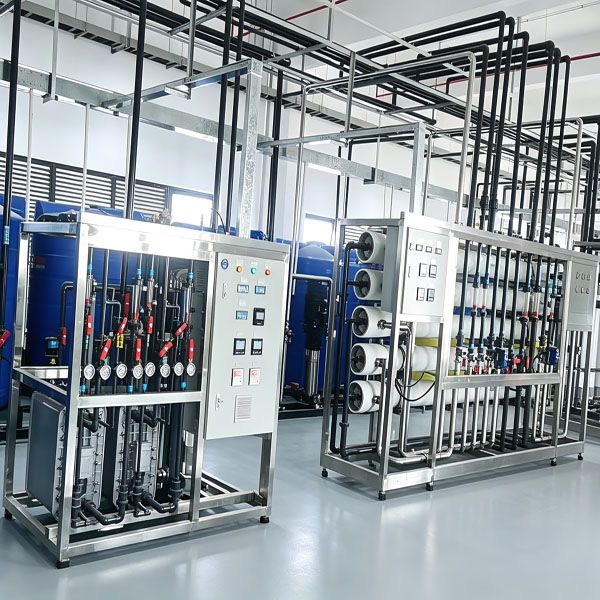
Fully automatic intelligent operation with minimal manual maintenance. Equipped with PLC automatic control, automatic dosing, automatic backwashing, automatic membrane cleaning, and high and low liquid level linkage, it features audible and visual fault alarms and can operate unattended 24 hours a day.
3. Strong adaptability in treatment processes, capable of handling various types of wastewater. Coagulation, biochemical, MBR, ultrafiltration, and reverse osmosis processes can be selected according to the quality of raw water, suitable for cleaning wastewater, domestic sewage, workshop oily wastewater, printing cleaning wastewater, etc.
4. Multiple protections ensure long service life of membrane components. With multiple pre-filters, automatic chemical cleaning, and online chemical dosing, it intercepts oil and suspended solids, slows down membrane blockage, and reduces replacement costs.
5. Stable compliance with environmental protection regulations: The effluent consistently meets reuse standards, reducing the total amount of sewage discharged and avoiding environmental compliance penalties. This is suitable for water conservation certification and green factory evaluations for enterprises.
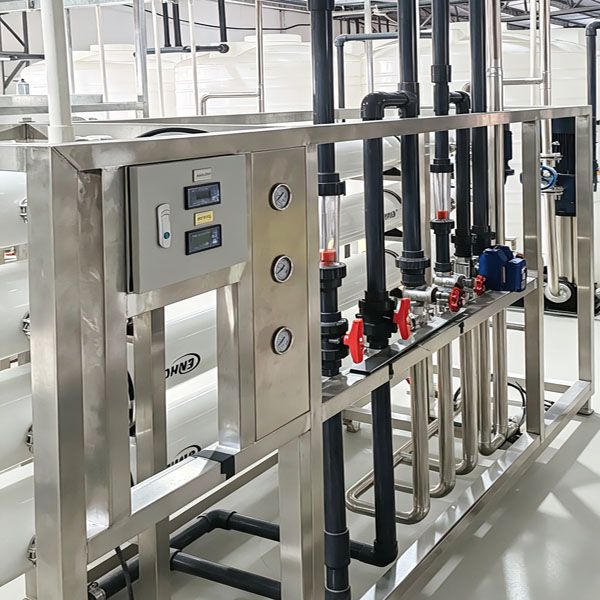
Anticorrosive material ensures a long service life. The tank body is made of anticorrosive carbon steel, 304 stainless steel, and UPVC piping. The parts that come into contact with sewage are resistant to corrosion and oil stains, making them less prone to leakage.
6. Controlled treatment of concentrated water, with no secondary pollution. The system generates a small amount of concentrated water and cleaning wastewater, which can be recirculated back to the front end for re-treatment. A small amount of high-concentration wastewater is discharged externally, resulting in a significant overall reduction in wastewater volume.
(III) Composition of the complete system
The entire reclaimed water reuse system is divided into six major parts: pretreatment unit, biochemical/physicochemical treatment unit, membrane advanced treatment unit, dosing system, automatic control and monitoring unit, and produced water reuse and concentrated water unit
1. Pre-treatment unit (removes large particle impurities and protects the downstream membrane)
Regulating pond/water collection tank: equalizes water quality and quantity, and buffers wastewater fluctuations;
Grille/basket filter: intercepts large debris such as plastic bags, fibers, sediment, and hair;
Lift pump: transport wastewater to subsequent treatment units;
Oil-separating sedimentation tank (oil-containing wastewater selection and allocation): separates floating oil and suspended sediment, reducing oil pollution load.
2. Physical/Biochemical main treatment unit
Option A: Materialization process (low COD cleaning wastewater)
Coagulation reaction tank: Add flocculant and coagulant aid, causing colloidal suspended matter to flocculate and precipitate;
Inclined tube sedimentation tank: flocculated sludge sedimentation and separation;
Multi-media/activated carbon filter: further removes chromaticity and a small amount of organic matter.
Option B: MBR biochemical process (domestic sewage, high COD organic wastewater)
Anoxic/aerobic biochemical tank: microorganisms degrade COD, ammonia nitrogen, and total nitrogen;
MBR membrane module: Biochemical effluent is directly filtered through a membrane, retaining activated sludge and resulting in clear effluent.
3. Advanced membrane treatment unit (core purification for reuse)
Self-cleaning precision filter: intercepts fine flocs to protect ultrafiltration membrane;
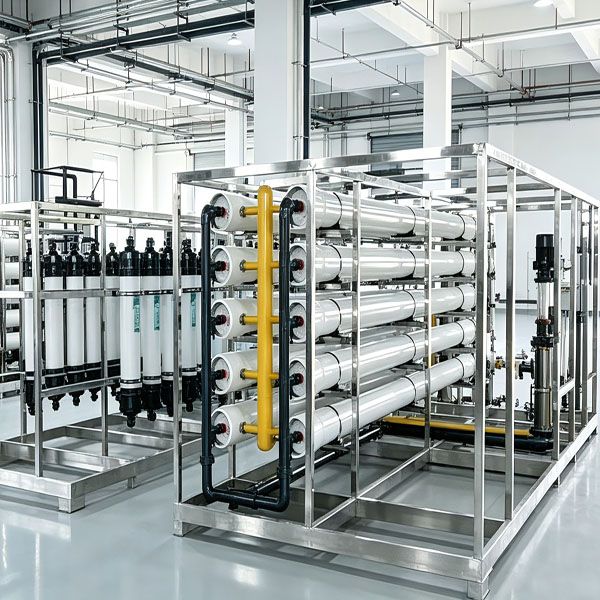
Ultrafiltration (UF) system: removes suspended solids, colloids, bacteria, and macromolecular organics, serving as a pre-treatment for reverse osmosis (RO);
Reverse Osmosis (RO) Reuse Membrane System (optional for high-standard reuse): removes salt, hardness, and heavy metals, and the produced water can be used for circulating cooling water and equipment cleaning;
Membrane circulating pump and cleaning chemical tank: Ensure the flow rate on the membrane surface, and conduct regular offline/online cleaning.
4. Automatic dosing system
Flocculant dosing device: PAC/PAM, used for coagulation and sedimentation;
Acid-base regulating device: regulates pH to prevent membrane scaling;
Scale inhibitor dosing device: dedicated for RO system, inhibiting calcium, magnesium, and silica scale;
Sodium hypochlorite / Disinfectant dosing: To eliminate microorganisms in water and prevent the growth of bacteria and algae in the reuse pipeline.
5. Online monitoring and automatic control unit
Online COD, turbidity, pH, and conductivity sensors monitor water quality in real time;
The interlocking control equipment for pressure, flow, and liquid level transmitters controls the start and stop of the equipment;
PLC touch screen control cabinet: automatic operation, scheduled backwash, membrane cleaning program, fault alarm records;
Electric valve, automatic reflux valve: Reprocess the unqualified water reflux.
6. Reuse water supply and concentrated water collection unit
Reclaimed water tank: stores qualified reclaimed water and is equipped with a disinfection device;
Reuse transfer pump: transfer to workshop for flushing, greening, and cooling tower makeup water points;
Concentrated Water Collection Tank: The concentrated water from the membrane system is collected centrally and can be recirculated for pretreatment or discharged in small amounts after meeting standards.
IV. Core functions of the system
1. Hierarchical removal of pollutants and purification of wastewater to meet standards. Through multi-stage treatment including sedimentation, biochemical treatment, and membrane filtration, suspended solids, oil and grease, COD, ammonia nitrogen, bacteria, chromaticity, and heavy metals are removed, ensuring that the effluent consistently meets the standards for reclaimed water reuse.
2. Membrane separation for deep filtration produces clear reclaimed water. Ultrafiltration retains colloidal microorganisms, while reverse osmosis removes salt and hardness. Depending on the reuse requirements, simple filtration or high-precision desalination processes can be selected, adapting to different water usage scenarios.
3. Fully automatic membrane cleaning and anti-clogging protection: The equipment automatically performs air washing, water washing, and chemical cleaning at scheduled times, removing contaminants from the membrane surface, maintaining stable membrane flux, extending membrane service life, and reducing the frequency of manual cleaning.
4. Online water quality monitoring, automatic re-flow of non-compliant water: Real-time monitoring of turbidity, conductivity, and COD indicators ensures that non-compliant water automatically flows back to the front-end for re-treatment, preventing non-compliant reclaimed water from being used in production and recycling.
5. Automatic water volume adjustment and liquid level linkage start-stop. The high and low liquid levels of the water collection tank and reuse water tank are interlocked with the lift pump and membrane system start-stop, eliminating the need for manual start-stop, achieving 24-hour continuous cycle treatment.
Automatic dosing of chemicals ensures stable treatment effect. Quantitative automatic dosing of flocculating, scale inhibiting, and disinfecting chemicals eliminates the need for frequent manual dosing and ensures continuous and stable effluent quality.
6. Reduce wastewater to conserve water, and reduce sewage and water costs by over 80%. Transform more than 80% of wastewater into reusable reclaimed water, significantly reducing the procurement of tap water and the total amount of sewage discharged, thus achieving water conservation and emission reduction.
Integrated design, suitable for on-site processing in multiple scenarios. The skid-mounted box structure can be directly placed at wastewater collection points in the factory area, eliminating the need for large-scale civil engineering renovations. It is compatible with various site conditions such as factories, parks, and hotels.