(I)Product Overview
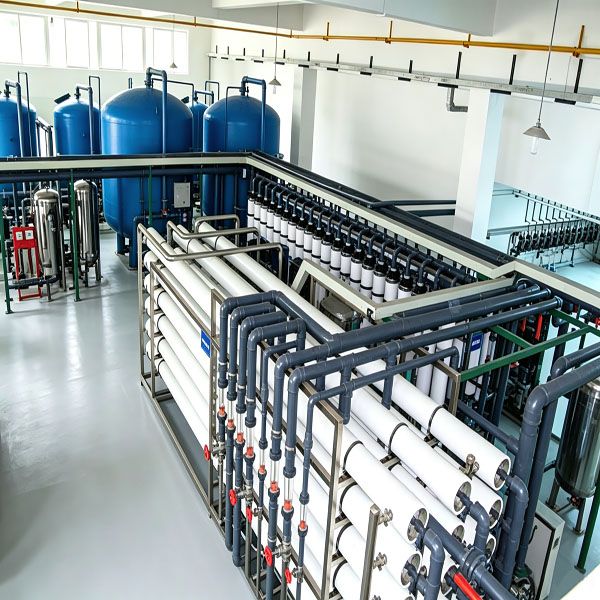
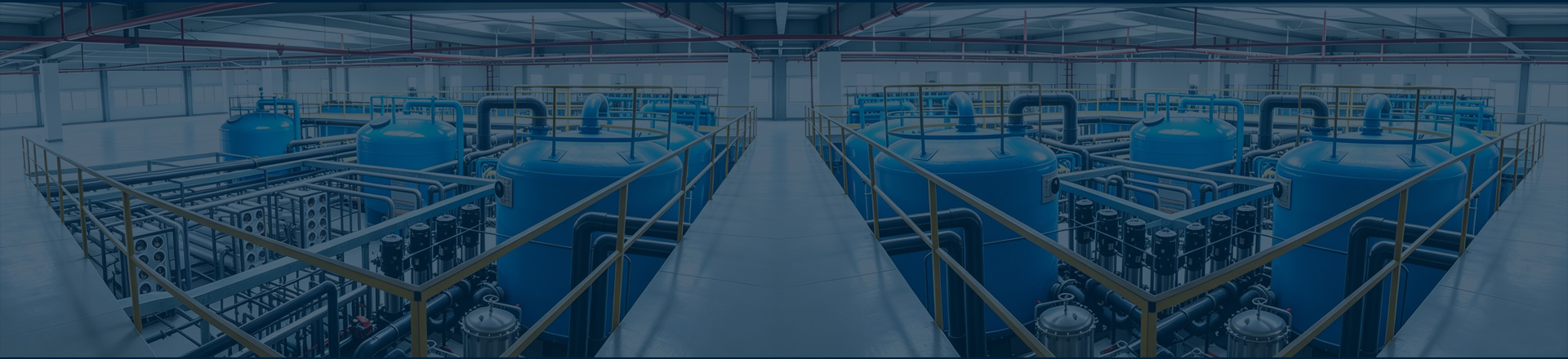
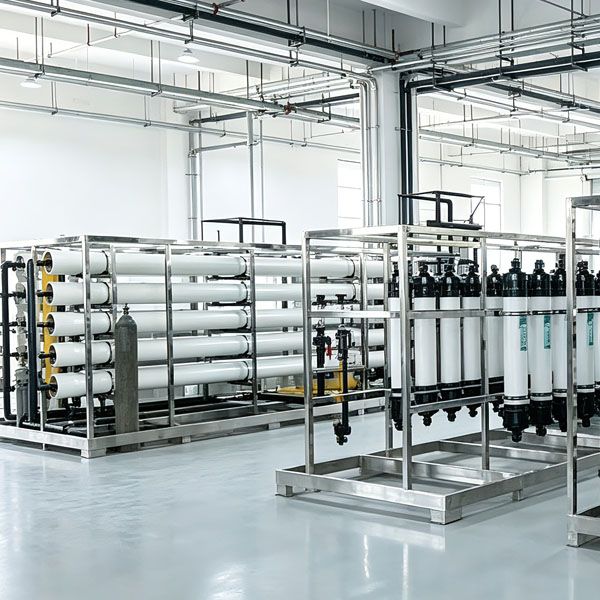
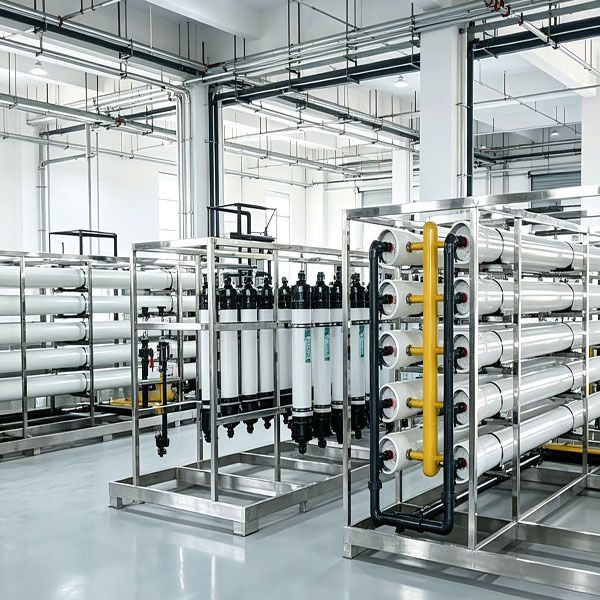
The reclaimed water reuse equipment collects mildly polluted wastewater such as production wastewater, domestic miscellaneous drainage, cleaning and bathing wastewater from the factory area as raw water, and uses a combination of physical, biochemical, and membrane separation treatment processes to remove suspended solids in the water COD、 Ammonia nitrogen, oil, color, microorganisms and other pollutants. The treated standard effluent can be used for non potable water scenarios such as ground flushing, greening, circulating cooling water replenishment, equipment cleaning, and toilet flushing.
(II)Core product features
1. Water resource recycling, saving operating costs, on-site regeneration and reuse of wastewater, reducing tap water consumption by 40% to 70%, synchronously reducing sewage discharge and commissioned sewage treatment costs, with good long-term economic benefits.
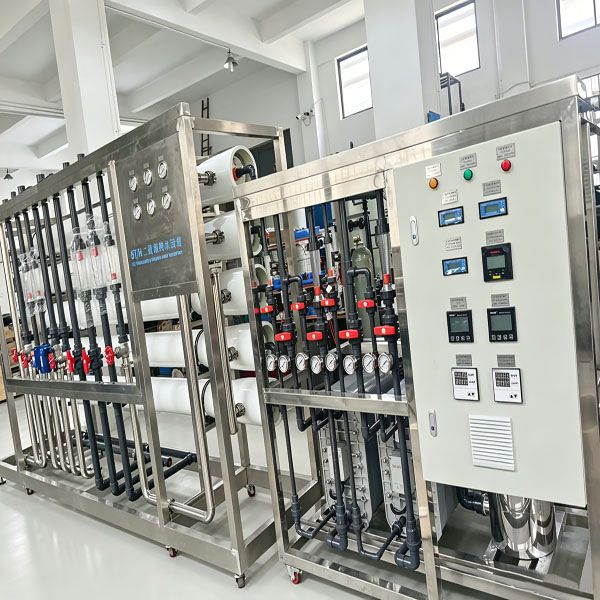
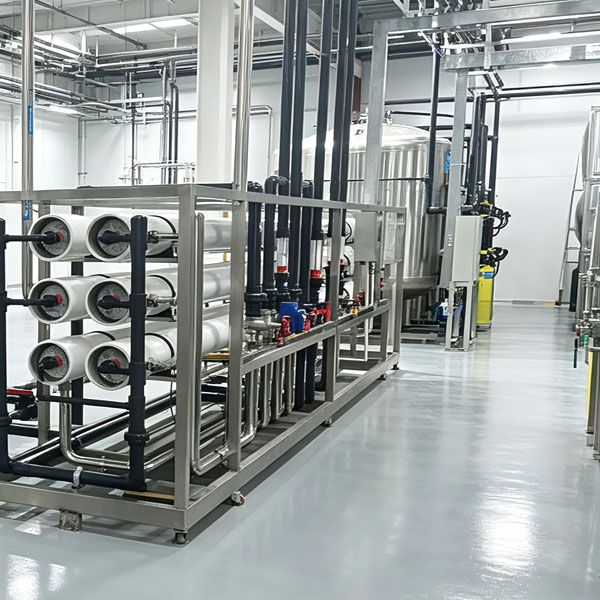
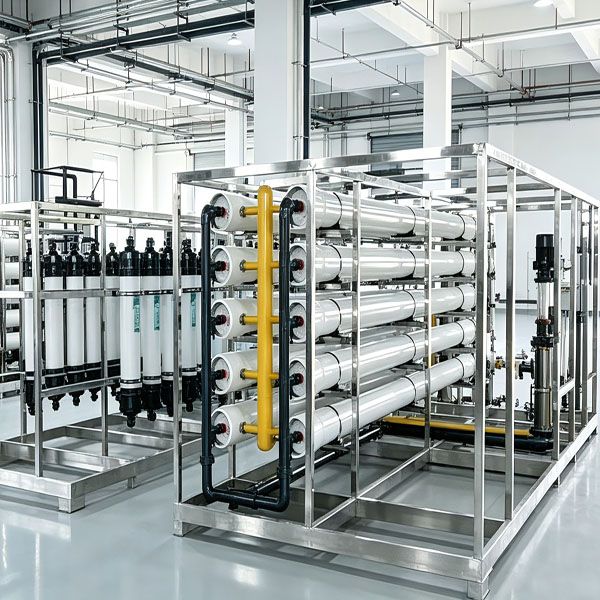
2. Modular integrated pry installation, small footprint, easy installation and migration, integrated box/pry installation complete set of equipment, high integration, reduces civil engineering workload, can be arranged indoors and outdoors, easy to expand and relocate equipment. Fully automatic intelligent control, with low operation and maintenance workload. The PLC control system realizes automatic dosing, backwashing, membrane cleaning, liquid level interlocking, fault sound and light alarm, and can achieve 24-hour unmanned operation.
3. The process has a wide range of adaptability and can treat various types of wastewater. It can flexibly combine coagulation, biochemistry MBR、 Ultrafiltration and reverse osmosis processes are suitable for cleaning wastewater, domestic sewage, oily workshop wastewater, printing cleaning wastewater and other water quality.
4. Multi level protection, extending the lifespan of membrane components, setting up multiple pre filtration channels, supporting online chemical cleaning and chemical dosing, intercepting oil stains and suspended solids, reducing membrane pollution, and lowering the cost of membrane component replacement.
5. Stable and compliant effluent, assisting in environmental control and green evaluation. The effluent meets the standards for recycled water reuse, reduces the amount of wastewater discharged, avoids the risk of exceeding standards, and meets the conditions for enterprise water-saving certification and green factory evaluation. Corrosion resistant material, long service life of equipment. The box is made of carbon steel anti-corrosion and 304 stainless steel, and the pipeline is made of UPVC; The components that come into contact with sewage are corrosion-resistant and resistant to oil stains, with low risk of leakage.
6. Concentrated water closed-loop treatment, no secondary pollution hazards. The system's concentrated water and cleaning wastewater can be returned to the front end for further treatment, with only a small amount of high concentration wastewater discharged, achieving a significant reduction in wastewater and avoiding secondary pollution.
(III) System composition
1. Preprocessing unit
Function: Remove large particles, suspended solids, and floating oil, and protect subsequent equipment.
Grille: mechanical/artificial grille, intercepting plastic bags, fibers, and large suspended solids
Regulating tank: Balance water quality and quantity, buffer water quality fluctuations, set aeration and stirring to prevent sedimentation
Oil separation tank (essential for oily wastewater): remove floating oil
Sedimentation tank/primary sedimentation tank: settling large sediment particles
Lift pump: Transport wastewater to subsequent treatment equipment
2. Main processing unit (core degradation, removal of COD, BOD, ammonia nitrogen)
Mainly removes organic matter, nitrogen and phosphorus, divided into two types: biological method and physicochemical method. 1) Biological treatment (most commonly used)
A/O, A ²/O process, MBR membrane bioreactor: degradation of COD, BOD, nitrogen and phosphorus removal 2) physicochemical treatment
Coagulation tank, flocculation reaction tank: adding chemicals, colloids, suspended solids flocculation and sedimentation
Secondary sedimentation tank: Mud water separation, activated sludge flows back to the biological tank, and the remaining sludge is discharged
MBR process: Combining biological treatment with membrane separation, it occupies a small area and has good effluent quality, making it the mainstream process for reclaimed water reuse.
3. Deep processing unit (ensuring the quality of recycled water and meeting the reuse standards)
After the main treatment, there are still small suspended solids and color in the water. Further purification can be achieved through deep treatment, and combinations can be made as needed:
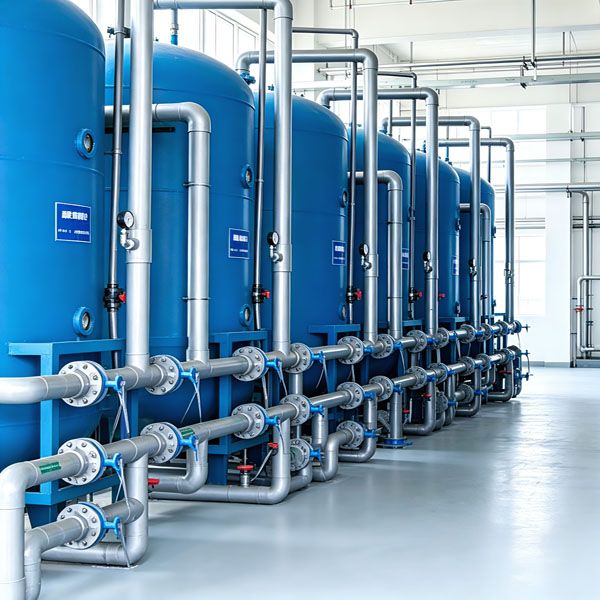
Sand filter (quartz sand filter): removes residual suspended solids
Activated carbon filtration: decolorization, removal of some organic matter
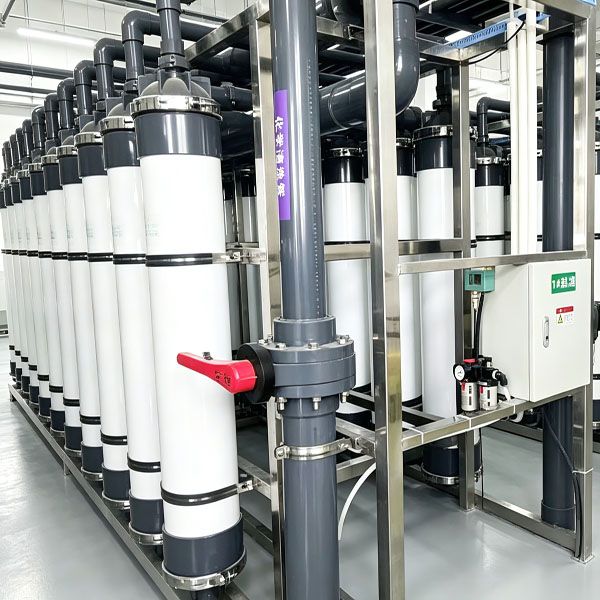
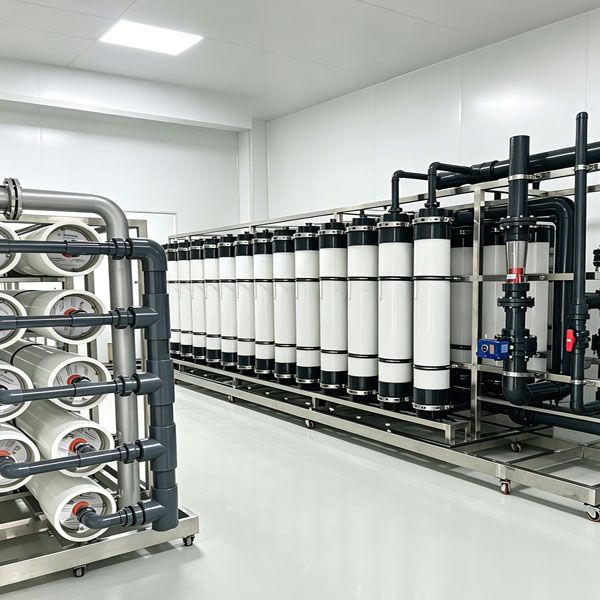
Ultrafiltration UF: intercepting colloids, bacteria, and macromolecular impurities
Reverse osmosis RO (high demand reuse): desalination, used for production process reuse; Ordinary greening and flushing water do not require RO
Ion exchange: Removing hardness and salt content
4. Disinfection unit
Kill bacteria and microorganisms to meet the hygiene standards for reuse
Sodium hypochlorite disinfection, chlorine dioxide disinfection
UV disinfection
Ozone disinfection (also capable of decolorization and COD reduction)
5. Reclaimed water storage and supply unit
Intermediate water tank (reusable water tank): Store standard reclaimed water, avoid light to prevent bacterial growth
Reuse water supply pump and pipeline: transport reclaimed water to reuse points (greening, toilet flushing, ground flushing, production water replenishment)
Online monitoring instruments: pH, turbidity COD、 Residual chlorine, real-time monitoring of water quality