(I)Product Overview
The operation of ultrafiltration equipment is based on a simple physical principle: under pressure, small molecules such as water and inorganic salts can pass through the ultrafiltration membrane, while larger substances such as bacteria, colloids, and large organic molecules are intercepted by the membrane. The entire process is carried out at room temperature without phase transition, making it particularly suitable for handling heat sensitive substances with low energy consumption.
Its application range is very wide, from household drinking water purification to industrial wastewater treatment, material concentration (such as electrophoretic paint recovery, juice concentration), and separation and purification in the field of biomedicine
(II)Equipment features
1. High precision filtration: It can effectively remove harmful substances such as bacteria, viruses, colloids, rust, etc. from water, with low turbidity (<0.1NTU), while retaining beneficial minerals and trace elements for the human body.
2. Energy saving and environmental protection: It usually operates at room temperature and low pressure (0.01-0.5 MPa), without heating or adding chemicals, and has low operating costs.
3. Long lifespan and low maintenance: Adopting cross flow filtration or backwashable design, it is not easy to block. Some high-performance membranes have a long service life, for example, the domestically produced PVC alloy capillary ultrafiltration membrane technology has won the first prize of the National Science and Technology Progress Award, with excellent performance in terms of service life and cost.
4. Modularization and automation: The equipment structure is compact, easy to install and expand. Modern equipment is usually equipped with PLC automatic control systems, which can achieve automatic flushing, operation monitoring, and even remote management through AI and IoT technology
(III)System composition
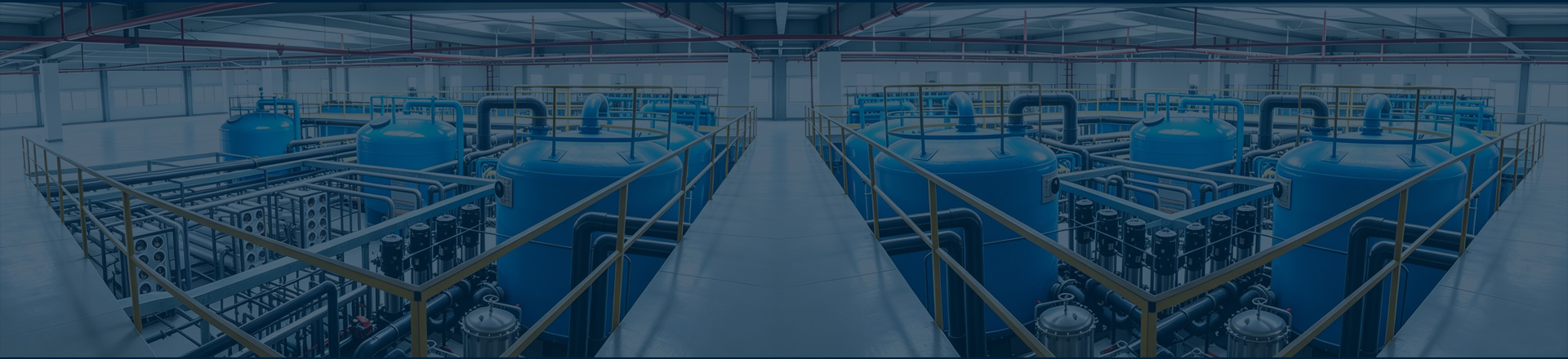
A complete ultrafiltration equipment usually consists of three parts: pretreatment, ultrafiltration host, and auxiliary system
1. Preprocessing system
Function: Protect expensive ultrafiltration membranes from being blocked or damaged by large particle impurities.
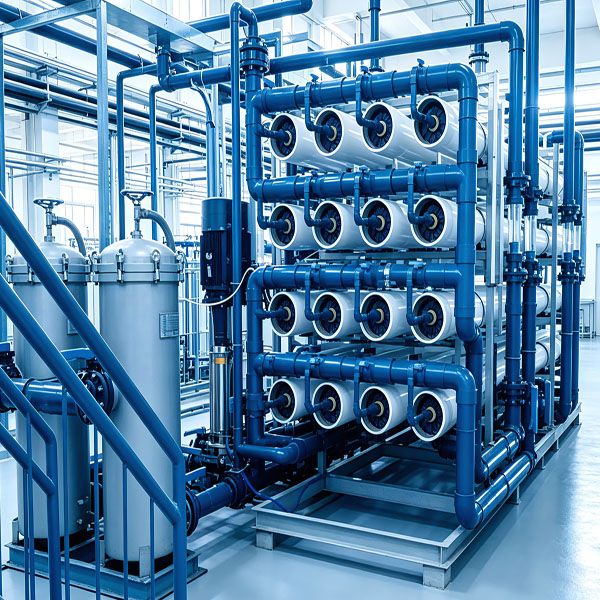
Common equipment: multi-media filters (such as quartz sand filters), activated carbon filters, precision (security) filters, etc.
2. Ultrafiltration host (core unit)
Function: To achieve the main separation and purification function.
Key components:
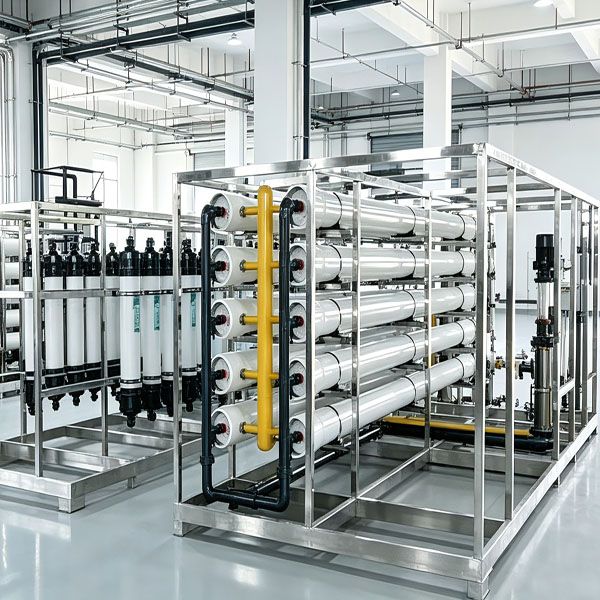
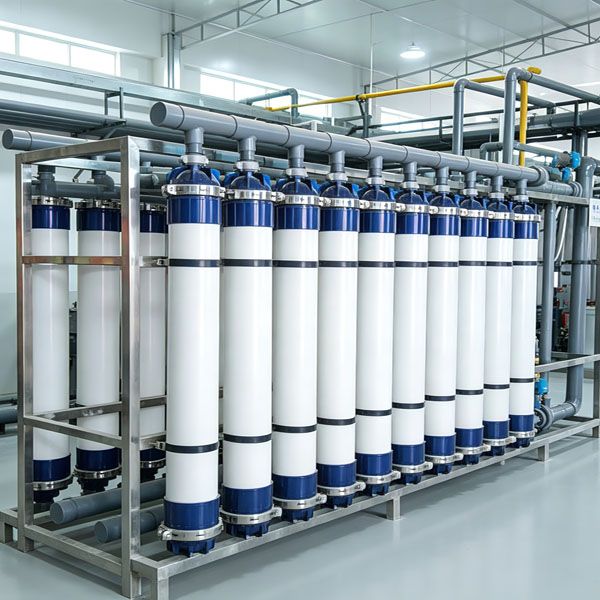
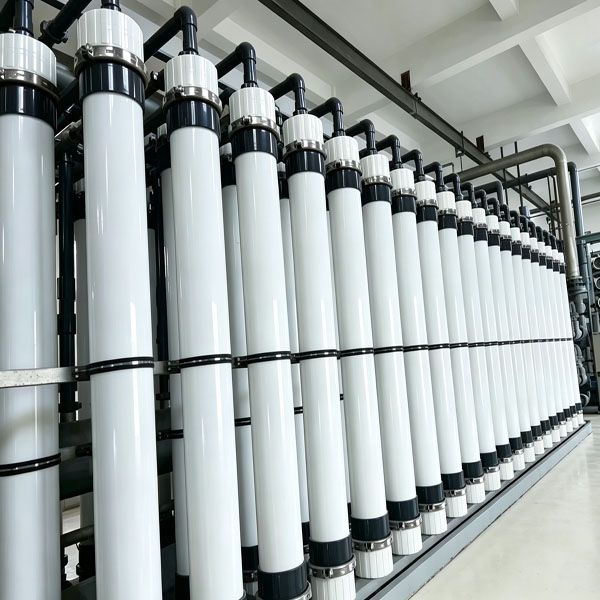
Ultrafiltration membrane module: This is the most essential part, commonly in the form of hollow fiber, divided into internal pressure and external pressure. There are various membrane materials, such as PVDF, PVC, polysulfone (PS), etc.
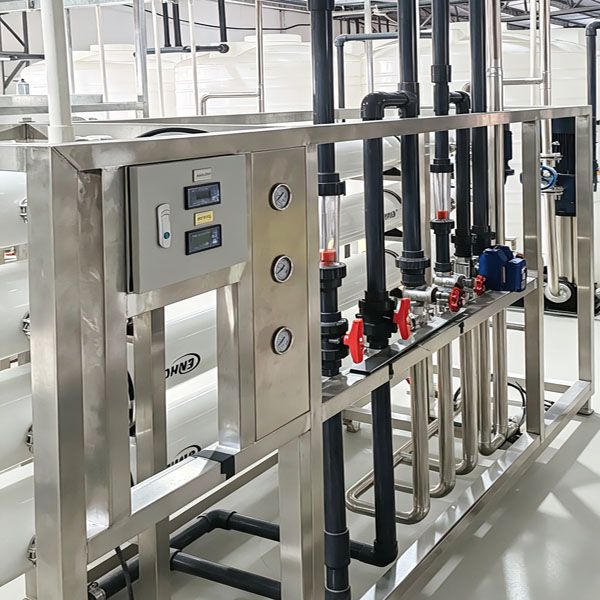
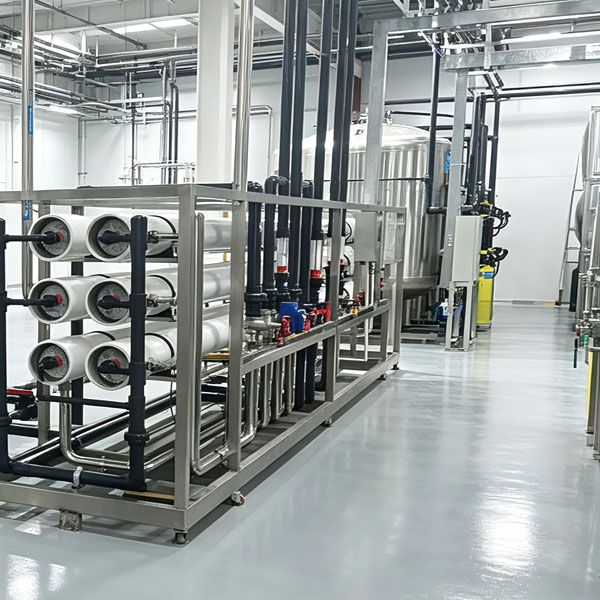
Pressure pump and pipeline: provide the required pressure for filtration and guide the water flow.
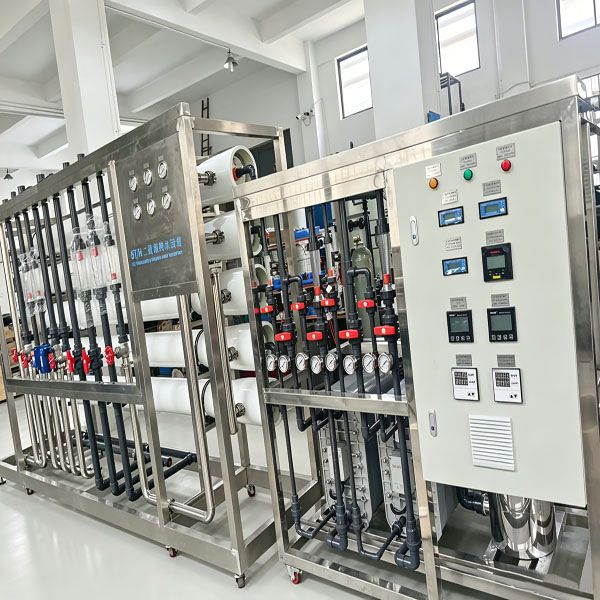
Control valves and instruments, such as solenoid valves, pressure sensors, flow meters, etc., used to control the operating status.
3. Post processing and auxiliary systems
Cleaning system: including backwashing and chemical cleaning devices, used to regularly restore membrane performance.
Auxiliary disinfection equipment, such as ultraviolet sterilizers or ozone generators, further ensures the hygiene of the effluent.
Control system: An automation control cabinet based on PLC or microcontroller, which is the "brain" of the equipment.